
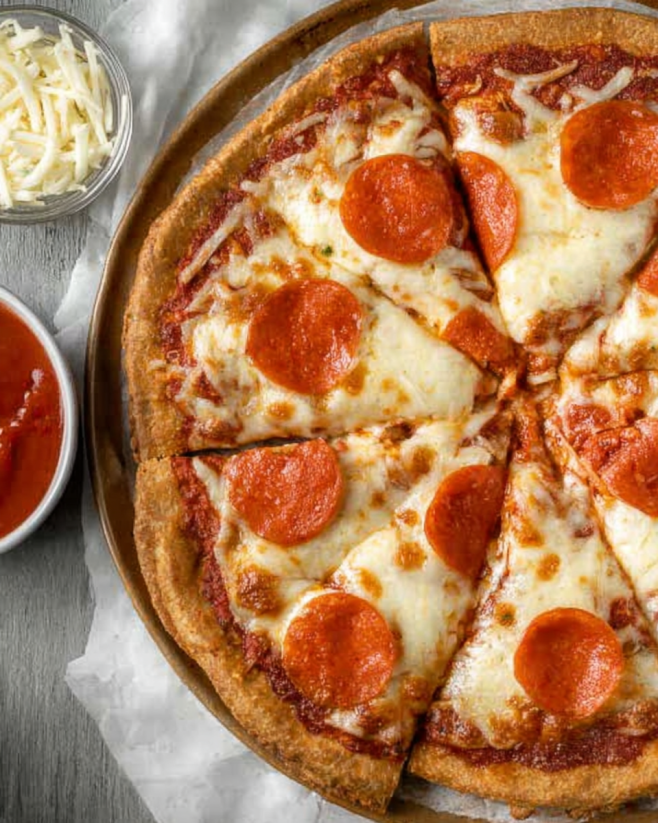
Introduction to Gluten-Free Pizza Crust Recipe
gluten-free pizza crust recipe is not only easy to make, but it also delivers a deliciously satisfying base for all your favorite toppings. Whether you have celiac disease, gluten sensitivity, or simply prefer a gluten-free diet, this recipe is perfect for you.
Pizza is a beloved dish around the world, and it can be enjoyed by everyone, regardless of dietary restrictions. With this gluten-free crust, you can indulge in a slice (or two!) without worrying about gluten. The combination of gluten-free all-purpose flour, herbs, and spices creates a flavorful and sturdy crust that holds up well under toppings.
In this article, we will guide you through the entire process of making your own gluten-free pizza crust. From gathering ingredients to baking the perfect pie, we’ll cover everything you need to know. Plus, we’ll share tips and variations to help you customize your pizza experience. So, roll up your sleeves and get ready to create a pizza that everyone will love!
Ingredients for Gluten-Free Pizza Crust Recipe
gluten-free pizza crust recipe, you’ll need a few simple ingredients. Each component plays a vital role in achieving the perfect texture and flavor. Here’s what you’ll need:
- 2 cups gluten-free all-purpose flour: This is the base of your crust. Make sure to choose a blend that includes xanthan gum for better elasticity.
- 1 teaspoon baking powder: This helps the crust rise, giving it a light and airy texture.
- 1 teaspoon salt: Salt enhances the flavor of the crust, making it more enjoyable.
- 1 teaspoon garlic powder: This adds a subtle garlic flavor that complements the pizza toppings.
- 1 teaspoon dried oregano: Oregano brings an Italian flair to your crust, making it taste authentic.
- 1 tablespoon olive oil: Olive oil adds moisture and richness to the dough.
- 1 teaspoon apple cider vinegar: This ingredient helps to improve the texture of the crust and adds a slight tang.
- 3/4 cup warm water: Warm water activates the baking powder and helps to bring the dough together.
Gathering these ingredients is the first step toward making your own gluten-free pizza crust. Each item contributes to the overall taste and texture, ensuring that your pizza is both delicious and satisfying. Now that you have everything you need, let’s move on to the preparation!
Step-by-Step Preparation of Gluten-Free Pizza Crust Recipe
gluten-free pizza crust recipe. Follow these simple steps to create a crust that’s not only tasty but also easy to prepare. Let’s get started!
Step 1: Gather Your Ingredients
Before you begin, make sure you have all your ingredients measured and ready to go. This will make the process smoother and more enjoyable. Having everything at hand helps you focus on mixing and baking without any interruptions. So, double-check your list and let’s move on!
Step 2: Mix the Dry Ingredients
In a large mixing bowl, combine the gluten-free all-purpose flour, baking powder, salt, garlic powder, and dried oregano. Use a whisk or a fork to mix these dry ingredients thoroughly. This step is crucial as it ensures that the baking powder and spices are evenly distributed throughout the flour. A well-mixed dry blend leads to a more consistent crust.
Step 3: Combine Wet Ingredients
In a separate bowl, whisk together the olive oil, apple cider vinegar, and warm water. Mixing these wet ingredients separately helps to activate the baking powder when combined with the dry mix. Make sure the water is warm, as this helps the dough come together more easily. Once mixed, you’re ready to combine the wet and dry ingredients!
Step 4: Form the Dough
Pour the wet mixture into the bowl with the dry ingredients. Stir until a dough forms. If the dough feels too sticky, don’t worry! Just add a little more gluten-free flour until it reaches a workable consistency. The dough should be soft but not overly sticky. This is the foundation of your pizza crust!
Step 5: Roll Out the Dough
Next, place the dough on a piece of parchment paper. Using your hands or a rolling pin, shape it into a round crust about 1/4 inch thick. If you prefer a thicker crust, you can adjust the thickness to your liking. Just remember, a thinner crust will bake faster!
Step 6: Pre-Bake the Crust
Transfer the parchment paper with the shaped crust onto a baking sheet or pizza stone. Bake the crust in your preheated oven at 425°F (220°C) for 10-12 minutes. Keep an eye on it! You want it to start turning golden brown. This pre-baking step is essential for a crust that holds up well under toppings.
Step 7: Add Toppings and Bake
Once the crust is pre-baked, remove it from the oven. Now comes the fun part—adding your favorite toppings! Whether you prefer classic tomato sauce and cheese or a veggie-loaded delight, the choice is yours. After adding your toppings, return the pizza to the oven and bake for an additional 10-15 minutes. You’ll know it’s ready when the cheese is melted and bubbly!
Let the pizza cool for a few minutes before slicing and serving. Enjoy your homemade gluten-free pizza with family and friends!
Variations of Gluten-Free Pizza Crust Recipe
gluten-free pizza crust recipe is delicious on its own, there are many ways to customize it. By experimenting with different ingredients, you can create a crust that suits your taste perfectly. Let’s explore some exciting variations!
Alternative Flours for Gluten-Free Pizza Crust Recipe
Using different flours can change the texture and flavor of your pizza crust. Here are some popular alternatives:
- Almond Flour: This flour adds a nutty flavor and is lower in carbs. It creates a denser crust, which some people love.
- Coconut Flour: Coconut flour is very absorbent, so you’ll need to adjust the liquid in your recipe. It gives a slightly sweet taste and a unique texture.
- Chickpea Flour: Also known as besan, chickpea flour is high in protein and fiber. It creates a hearty crust with a distinct flavor.
- Brown Rice Flour: This flour is a great base for gluten-free baking. It has a mild flavor and works well when combined with other flours.
Feel free to mix and match these flours to find your perfect blend. Just remember to keep the total amount of flour the same as in the original recipe!
Flavor Enhancements for Gluten-Free Pizza Crust Recipe
Adding herbs and spices can elevate your pizza crust to a whole new level. Here are some ideas to enhance the flavor:
- Fresh Herbs: Chopped fresh basil, parsley, or thyme can add a burst of flavor. Mix them into the dough for a fragrant crust.
- Cheese: Incorporating grated Parmesan or nutritional yeast into the dough can give it a cheesy flavor. This is perfect for cheese lovers!
- Spices: Try adding red pepper flakes for a spicy kick or smoked paprika for a smoky flavor. These spices can make your crust more exciting.
- Garlic and Onion Powder: If you love savory flavors, increase the amounts of garlic and onion powder in the recipe. This will make your crust even more delicious.
These variations not only add flavor but also make your gluten-free pizza crust unique. Don’t hesitate to get creative and find the combination that you love best!
Cooking Note for Gluten-Free Pizza Crust Recipe
gluten-free pizza crust recipe, there are a few important cooking notes to keep in mind. These tips will help ensure that your crust turns out perfectly every time. Let’s dive into some key points to consider while cooking!
First, always preheat your oven. This step is crucial for achieving a crispy crust. If the oven isn’t hot enough, the crust may turn out soggy instead of golden and crunchy. So, set that temperature to 425°F (220°C) and let it heat up while you prepare your dough.
Next, consider using a pizza stone if you have one. A pizza stone retains heat well and helps create a crispy bottom. If you don’t have a stone, a baking sheet will work just fine. Just make sure to line it with parchment paper to prevent sticking.
Another tip is to keep an eye on the baking time. Ovens can vary, so your crust might bake faster or slower than the suggested time. Check for a light golden color and a firm texture. If it looks done before the timer goes off, feel free to take it out early!
Lastly, let your crust cool slightly before adding toppings. This helps the crust firm up, making it easier to handle. If you add toppings to a hot crust, it may become too soft and difficult to manage. Patience is key here!
By following these cooking notes, you’ll be well on your way to creating a delicious gluten-free pizza crust that everyone will enjoy. Happy baking!
Serving Suggestions for Gluten-Free Pizza Crust Recipe
gluten-free pizza crust recipe, it’s time to think about how to serve it! The beauty of pizza lies in its versatility. You can customize it to suit any taste or occasion. Here are some delightful serving suggestions to inspire your next pizza night!
Classic Margherita Pizza
For a simple yet delicious option, top your crust with classic Margherita ingredients. Spread a layer of tomato sauce, sprinkle fresh mozzarella cheese, and add fresh basil leaves. Drizzle with olive oil before baking. This timeless combination is sure to please everyone!
Veggie Delight
If you’re a fan of vegetables, load your pizza with colorful toppings. Consider bell peppers, mushrooms, onions, and spinach. You can also add artichokes or olives for extra flavor. A sprinkle of feta cheese can elevate this veggie pizza to new heights!
Meat Lovers’ Feast
For those who enjoy a hearty meal, a meat lovers’ pizza is the way to go. Top your crust with a mix of pepperoni, sausage, and ham. Don’t forget to add a generous amount of cheese! This filling option is perfect for satisfying big appetites.
BBQ Chicken Pizza
For a twist on traditional pizza, try BBQ chicken. Use shredded cooked chicken mixed with your favorite barbecue sauce as the base. Add red onions and cilantro for a fresh touch. This sweet and tangy pizza is a crowd-pleaser!
Breakfast Pizza
Why not enjoy pizza for breakfast? Top your crust with scrambled eggs, cheese, and your choice of breakfast meats like bacon or sausage. Add some spinach or tomatoes for a healthy boost. This unique option is perfect for brunch gatherings!
Dessert Pizza
Don’t forget about dessert! You can create a sweet pizza by spreading Nutella or cream cheese on the crust. Top it with fresh fruits like strawberries, bananas, or blueberries. A sprinkle of powdered sugar can add a lovely finishing touch!
gluten-free pizza crust recipe serves as a blank canvas for your culinary creativity. Enjoy experimenting and sharing your delicious creations with family and friends!
Tips for Perfecting Your Gluten-Free Pizza Crust Recipe
gluten-free pizza crust recipe can be a delightful experience, but it may take a little practice to get it just right. Here are some helpful tips to ensure your crust turns out perfectly every time!
Choose the Right Flour Blend
Not all gluten-free flours are created equal. Look for a high-quality gluten-free all-purpose flour that contains xanthan gum. This ingredient helps mimic the elasticity of traditional wheat flour, giving your crust a better texture. You can also experiment with different flour blends to find your favorite!
Measure Ingredients Accurately
Accurate measurements are crucial in baking. Use a kitchen scale for precise measurements, especially for flour. Too much flour can lead to a dry crust, while too little can make it too sticky. Always level off your measuring cups for the best results!
Don’t Skip the Pre-Baking Step
Pre-baking your crust is essential for achieving a crispy texture. This step helps set the dough before adding toppings, preventing it from becoming soggy. Keep an eye on the crust during this phase to ensure it reaches a light golden color.
Let the Dough Rest
After mixing your dough, let it rest for about 10-15 minutes. This allows the ingredients to meld together and can improve the texture of your crust. A little patience goes a long way in achieving a better final product!
Use Parchment Paper
When rolling out your dough, use parchment paper to prevent sticking. This makes it easier to transfer the crust to your baking sheet or pizza stone. Plus, it helps with cleanup afterward!
Experiment with Thickness
Everyone has their preference when it comes to pizza crust thickness. If you like a thin and crispy crust, roll it out to about 1/4 inch. For a thicker, chewier crust, aim for 1/2 inch. Just remember to adjust the baking time accordingly!
Keep Toppings Light
When adding toppings, avoid overloading your pizza. Too many toppings can weigh down the crust, making it soggy. Stick to a balanced amount of sauce, cheese, and toppings for the best results.
Cool Before Slicing
After baking, let your pizza cool for a few minutes before slicing. This helps the crust firm up, making it easier to cut and serve. Plus, it allows the flavors to settle, enhancing your overall pizza experience!
gluten-free pizza crust recipe. Enjoy the process, and don’t hesitate to get creative with your toppings and flavors!
Breakdown of Time for Gluten-Free Pizza Crust Recipe
gluten-free pizza crust recipe can help you plan your cooking better. Here’s a simple breakdown of the time required for preparation and cooking. This way, you can enjoy your pizza without any rush!
Prep Time
The prep time for this recipe is approximately 15-20 minutes. This includes gathering your ingredients, mixing the dry and wet components, and forming the dough. Taking your time during this stage ensures that everything is well-prepared for the next steps. Remember, a little patience goes a long way in baking!
Cooking Time
Once your dough is ready, the cooking time is about 20-25 minutes. This includes 10-12 minutes for pre-baking the crust and an additional 10-15 minutes for baking after adding your toppings. Keep an eye on your pizza during this time to achieve that perfect golden-brown crust!
Total Time
In total, you can expect to spend around 35-45 minutes from start to finish. This includes both prep and cooking times. With this quick and easy timeline, you can have a delicious gluten-free pizza ready to serve in no time. Enjoy the process and the tasty results!
Nutritional Information for Gluten-Free Pizza Crust Recipe
gluten-free pizza crust recipe is essential for making informed choices about your meals. This section will break down the key nutritional components per serving, helping you enjoy your pizza while keeping track of your dietary needs.
Calories
Each serving of this gluten-free pizza crust contains approximately 180 calories. This makes it a relatively light option compared to traditional pizza crusts, allowing you to enjoy your favorite toppings without overindulging. If you’re watching your calorie intake, this crust is a great choice!
Protein
In terms of protein, this crust provides about 3 grams per serving. While it may not be a high-protein option, it does contribute to your daily intake. Pairing your pizza with protein-rich toppings, such as chicken or cheese, can help boost the overall protein content of your meal.
Sodium
The sodium content in each serving is around 300 milligrams. This amount is fairly standard for pizza crusts, but if you’re watching your sodium intake, consider using low-sodium toppings or sauces. Balancing your meal with fresh vegetables can also help keep sodium levels in check.
gluten-free pizza crust recipe while making choices that align with your dietary goals. Remember, moderation is key, and feel free to customize your pizza with healthy toppings to enhance both flavor and nutrition!
FAQs about Gluten-Free Pizza Crust Recipe
Can I use regular flour instead of gluten-free flour?
gluten-free pizza crust recipe. Regular flour contains gluten, which is a protein that gives traditional pizza dough its elasticity and structure. Since this recipe is specifically designed for gluten-free diets, it relies on gluten-free all-purpose flour to achieve the right texture. If you need a gluten-free option, stick to the recommended flour blends to ensure a successful outcome!
How do I store leftover gluten-free pizza crust?
Storing leftover gluten-free pizza crust is easy! First, let the crust cool completely. Then, wrap it tightly in plastic wrap or aluminum foil. You can also place it in an airtight container. Store it in the refrigerator for up to 3 days. If you want to keep it longer, consider freezing it. Just make sure to wrap it well to prevent freezer burn. When you’re ready to enjoy it again, simply reheat in the oven for a few minutes!
What are some common mistakes to avoid with gluten-free pizza crust?
gluten-free pizza crust recipe. First, be careful not to add too much flour. This can lead to a dry crust. Second, don’t skip the pre-baking step! This is crucial for achieving a crispy texture. Lastly, avoid overloading your pizza with toppings, as this can make the crust soggy. By keeping these tips in mind, you’ll create a delicious crust every time!
Can I freeze gluten-free pizza crust?
Yes, you can freeze gluten-free pizza crust! To do this, prepare the crust as directed but do not bake it. Instead, shape the dough and wrap it tightly in plastic wrap or aluminum foil. Place it in a freezer-safe bag or container. It can be stored in the freezer for up to 3 months. When you’re ready to use it, simply thaw it in the refrigerator overnight, then bake as directed. This way, you can enjoy fresh pizza anytime!
Conclusion on Gluten-Free Pizza Crust Recipe
gluten-free pizza crust recipe is not only simple but also incredibly rewarding. With just a few basic ingredients and some easy steps, you can create a delicious pizza base that everyone can enjoy. Whether you’re gluten-sensitive, have celiac disease, or just want to try something new, this recipe offers a fantastic alternative to traditional pizza crusts.
Throughout this article, we’ve explored various aspects of the recipe, from the essential ingredients to the step-by-step preparation. We’ve also discussed exciting variations and serving suggestions that can elevate your pizza experience. Remember, the beauty of pizza lies in its versatility, so don’t hesitate to get creative with your toppings and flavors!
As you embark on your gluten-free pizza-making journey, keep in mind the tips and cooking notes shared in this article. They will help you achieve the perfect crust every time. With practice, you’ll become more confident in your baking skills, and soon enough, you’ll be impressing family and friends with your homemade gluten-free pizzas.
So, gather your ingredients, roll up your sleeves, and get ready to enjoy a slice of pizza that’s not only gluten-free but also bursting with flavor. Happy baking, and may your pizza nights be filled with joy and deliciousness!
Gluten-Free Pizza Crust
Ingredients
Equipment
Method
- Gather all your ingredients and measure them out.
- Mix the dry ingredients in a large bowl.
- Combine the wet ingredients in a separate bowl.
- Pour the wet mixture into the dry ingredients and stir until a dough forms.
- Roll out the dough on parchment paper to about 1/4 inch thick.
- Pre-bake the crust in a preheated oven at 425°F for 10-12 minutes.
- Add your favorite toppings and bake for an additional 10-15 minutes.
- Let the pizza cool for a few minutes before slicing and serving.